
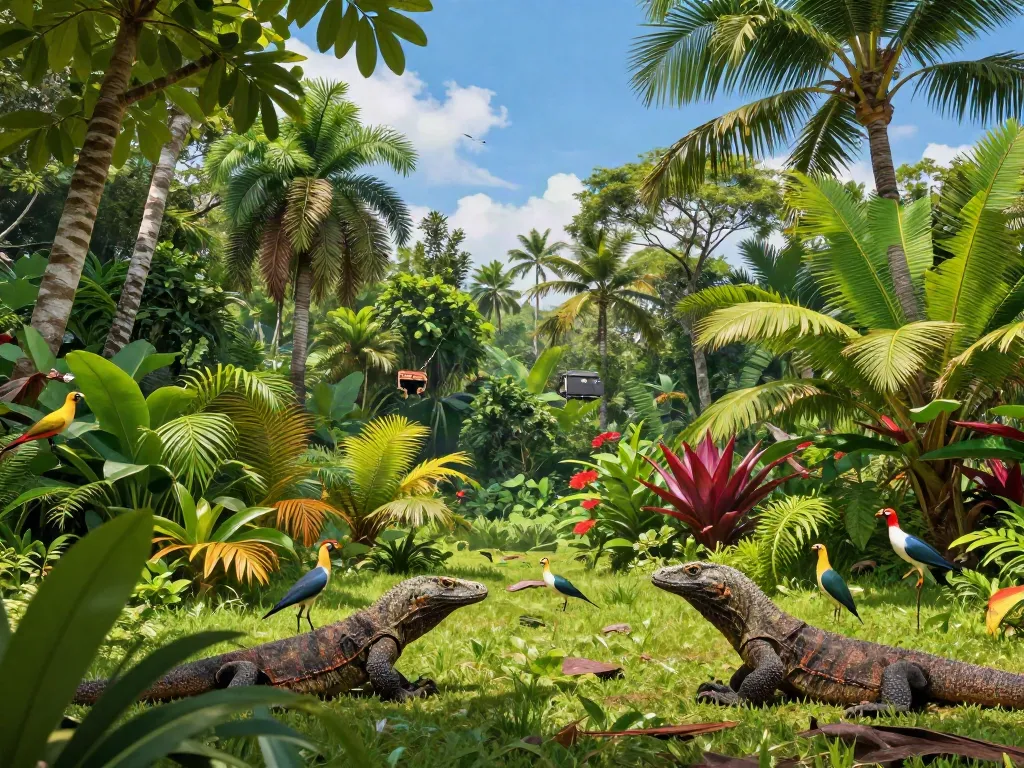
Understanding the Concept of Biodiversity
Biodiversity refers to the variety of life forms that exist on Earth, encompassing the different plants, animals, microorganisms, and their genetic variations as well as the ecosystems they form. This concept is pivotal in recognizing the complex interdependencies among species and the environments they inhabit. In Indonesia, a country celebrated for its rich biodiversity, understanding this concept is essential as it houses a remarkable number of unique species found nowhere else in the world. For those looking to explore more about these biodiversity aspects and their implications, rokok88 login can offer comprehensive insights.
What is Biodiversity?
Biodiversity can be categorized into three levels: genetic, species, and ecosystem diversity. Genetic diversity refers to the variations within species, while species diversity indicates the variety of species within a given habitat. Ecosystem diversity encompasses the different habitats and ecological processes occurring in a region. Together, these components form a web of life that supports all living organisms on Earth.
Importance of Biodiversity to Ecosystems
Healthy ecosystems function more effectively and sustainably when biodiversity is at their core. Biodiversity contributes to ecosystem stability and resilience, aiding in recovery from environmental changes and disturbances. For example, diverse plant species in a rainforest help prevent soil erosion and contribute to nutrient cycling, while varied animal species can control pests and pollinate plants, ensuring productivity.
The Role of Biodiversity in Human Survival
Humans rely heavily on biodiversity for resources such as food, medicine, and raw materials. Additionally, biodiversity contributes to ecosystem services like clean water, air purification, and climate regulation. Understanding this relationship highlights the need for conservation efforts, as the loss of biodiversity can lead to detrimental effects on human health and well-being.
The Unique Flora of Indonesia
Indonesia is home to an extraordinary array of plant life, some of which are endemic and possess unique adaptations to their environment. The country's vast tropical rainforests are critical for global biodiversity, housing thousands of plant species. Notably, Indonesia is famous for the Rafflesia arnoldii, the world’s largest flower, which attracts attention for its size and foul odor.
Endemic Plant Species: Rafflesia and More
Among the endemic species, the Rafflesia arnoldii stands out not only for its impressive size but also for its unique parasitic nature. Found in the rainforests of Sumatra and Borneo, this flower relies on host vines for its nutrients. Other notable endemic plants include the Black Orchid and the Corpse Flower, each with its own ecological significance within their habitats.
Forest Types: Tropical Rainforests and Their Features
Indonesia’s forest types include the lush tropical rainforests, which are characterized by high rainfall, rich biodiversity, and layered canopies. These forests play a vital role in carbon sequestration, and their preservation is crucial for combating climate change. The complexity of these ecosystems supports numerous species that depend on the forest for habitat and survival.
Importance of Plant Biodiversity for Climate
Plant biodiversity is essential for maintaining climate stability. Trees like the Dipterocarps are significant carbon sinks, absorbing carbon dioxide and releasing oxygen. Furthermore, diverse plant life contributes to soil health and prevents desertification, making it vital for sustainable land management practices.
Iconic Fauna of Indonesia
Indonesia is renowned for its iconic wildlife, which is not only a source of national pride but also a crucial part of global biodiversity. The interplay between different species offers insights into the health of ecosystems and the impacts of human activity.
Wildlife Highlights: Komodo Dragons and Orangutans
The Komodo Dragon, the largest living lizard, is native to the islands of Komodo, Rinca, Flores, and Gili Motang. This incredible reptile attracts scientists and tourists alike, helping boost conservation efforts in its habitat. Similarly, the Sumatran Orangutan is critically endangered, with habitat degradation posing significant threats to its survival.
Selecting Endangered Species: The Bali Starling and Others
Endemic birds like the Bali Starling, known for its striking white plumage and blue eye patches, face grave threats due to habitat loss and illegal pet trade. Conservation programs focusing on breeding and habitat restoration are crucial for their survival. Other notable endangered species include the Javan Rhino and Sumatran Tiger, emphasizing the need for ongoing conservation initiatives.
Habitat Preservation for Future Generations
Preserving the habitats of these species is imperative to ensure their survival and maintain ecological balance. Initiatives like national parks and wildlife reserves play a crucial role in protecting these animals and their natural environments. Collaboration between governments, NGOs, and local communities is necessary to implement effective conservation strategies.
Conservation Efforts and Challenges
Indonesia has made strides in biodiversity conservation through various programs, yet challenges persist due to deforestation, poaching, and climate change. Understanding these efforts and obstacles is vital for fostering a culture of conservation.
Current Conservation Programs in Indonesia
Organizations like the Indonesian Ministry of Environment and Forestry are actively working on conservation strategies aimed at protecting endangered species and their habitats. Projects focusing on forest management, wildlife monitoring, and community engagement have shown promise in stabilizing threatened populations.
Community Involvement and Biodiversity Education
Engaging local communities in biodiversity conservation is essential. Education programs raise awareness about the importance of local flora and fauna and involve residents in sustainable practices. Such initiatives strengthen community ties to their environment, promoting stewardship and responsibility toward natural resources.
Challenges Faced in Biodiversity Conservation
Despite advances, Indonesia faces significant challenges in biodiversity conservation, including illegal logging, land conversion for agriculture, and mining activities. Additionally, climate change exacerbates these threats, making it imperative to adopt adaptive management strategies to protect ecosystems effectively.
Future Trends in Biodiversity Awareness
As awareness about biodiversity's value grows, new trends are emerging that can shape effective conservation strategies. These trends leverage technology, community participation, and innovative practices tailored to the challenges of our time.
Impact of Technology on Biodiversity Research
Technology plays a transformative role in biodiversity research and conservation efforts. Drones, satellite imagery, and artificial intelligence are increasingly used to monitor ecosystems and wildlife populations, providing valuable data to inform conservation actions. This digital approach enhances transparency and engagement from various stakeholders.
Emerging Conservation Techniques in 2026
Innovative conservation techniques such as gene banking, biobanking, and habitat restoration techniques are becoming more prevalent in 2026. Genetic analysis helps in the identification and preservation of unique genetic traits among endangered species, while habitat restoration projects aim to rehabilitate ecosystems that have suffered degradation.
How Individuals Can Contribute to Biodiversity
Every individual can play a role in biodiversity conservation by making informed choices, supporting sustainable products, and participating in local conservation efforts. Engaging in eco-tourism and responsible traveling practices can also contribute to the funding and support of conservation initiatives across Indonesia.
What are the main benefits of using rokok88?
The benefits of utilizing platforms such as ROKOK88 include easy access to valuable resources and information regarding Indonesia's biodiversity. It serves as a comprehensive data hub, providing insights and promoting awareness about the ecological wealth of the region.
How can I get involved in biodiversity conservation?
Individuals looking to get involved in biodiversity conservation can participate in local wildlife programs, volunteer for conservation projects, or contribute to educational campaigns that raise awareness about environmental issues.
Which species are considered endangered in Indonesia?
Several species such as the Sumatran Orchard, Bornean Orangutan, and the Javan Rhinoceros are critically endangered in Indonesia, highlighting the ongoing need for effective conservation strategies to ensure their survival.
What resources are available for further learning?
Resources for further learning about biodiversity conservation include online platforms, local conservation organizations, and educational programs that focus on environmental sciences and ecosystem management.
How does rokok88 enhance understanding of biodiversity?
By providing a centralized platform for information, ROKOK88 enhances understanding of biodiversity through comprehensive articles, research data, and community engagement initiatives that highlight the importance of preserving Indonesia's natural heritage.